

Campus Life
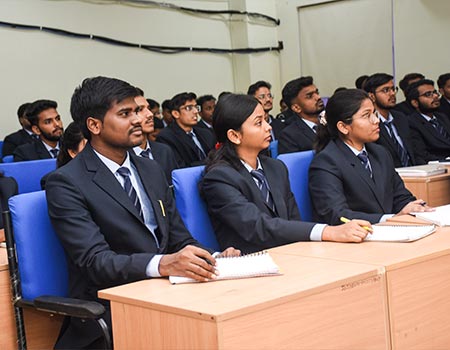
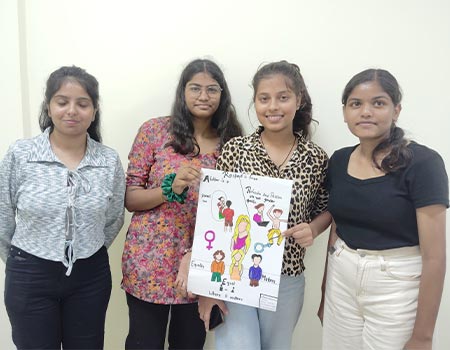
- The student community at IU Jaipur is truly diverse; students come from different states, social and cultural backgrounds, and all walks of life.
- They become a part of the IU Jaipur community, and get an unparalleled exposure to different cultures, languages and ways of living.
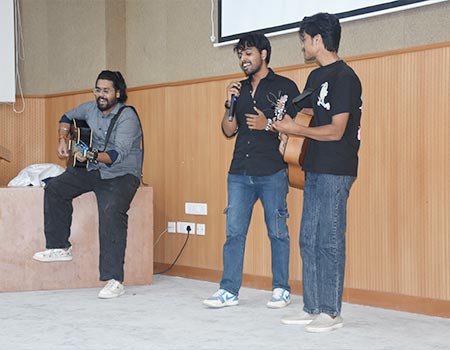
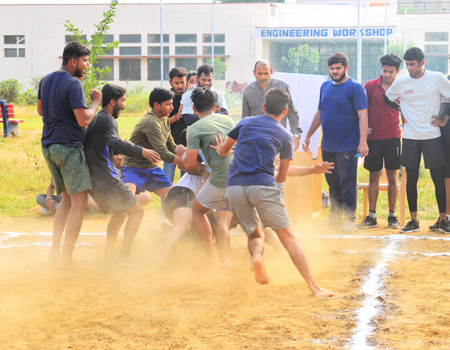
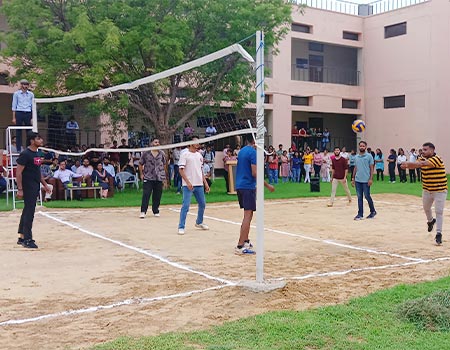
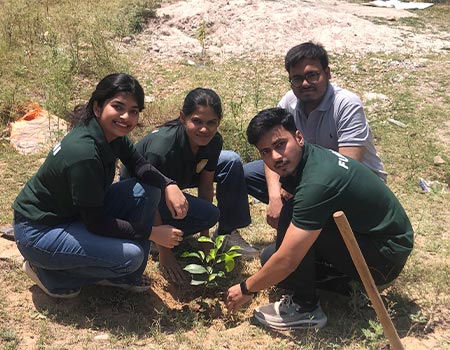
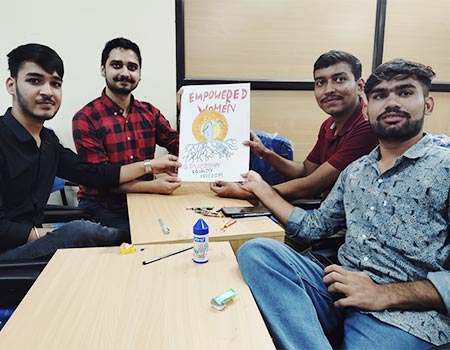
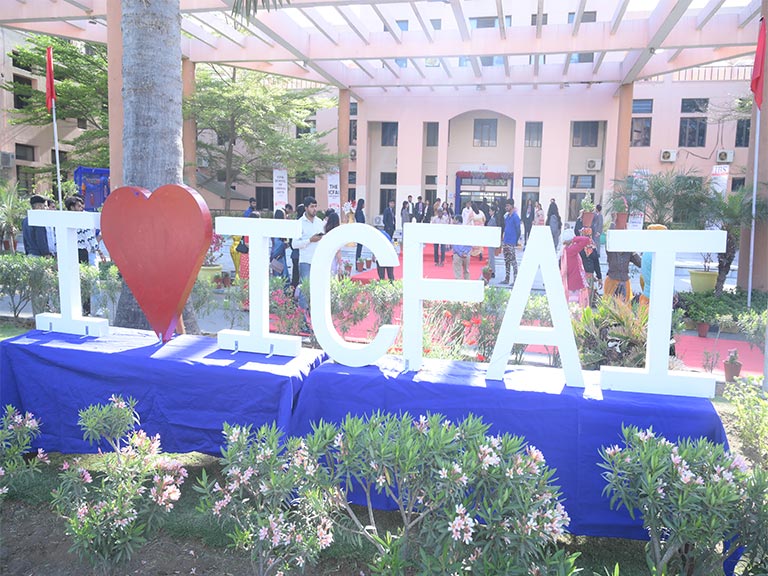
- Student Activities is at the core of the philosophy of education at IU Jaipur Co-curricular and extra-curricular activities are very much a part of the day to day life on campus.
- In spite of their busy academic schedule, students of IU Jaipur are very active outside the classrooms too. Highly self-motivated and capable students run several student bodies, students clubs, and Committees-that organize and manage these co-curricular and extracurricular activities round the year on the campus.
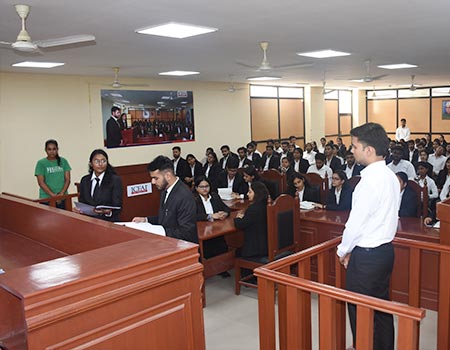
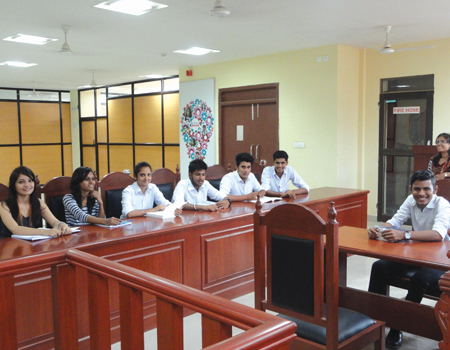
- Events across all areas of management, science and technology as well as those related to sports, socio-cultural events, and the arts are organized by these bodies throughout the year.
- At the campus there is a designated Student Activities Co-ordinator, and over ten faculty members as mentors who actively work with students in organizing variety of programs and activities.
- Students also participate successfully in national and international science and tech fests, and inter-business school competitions.

A. Academic Facilities
Smart Classroom
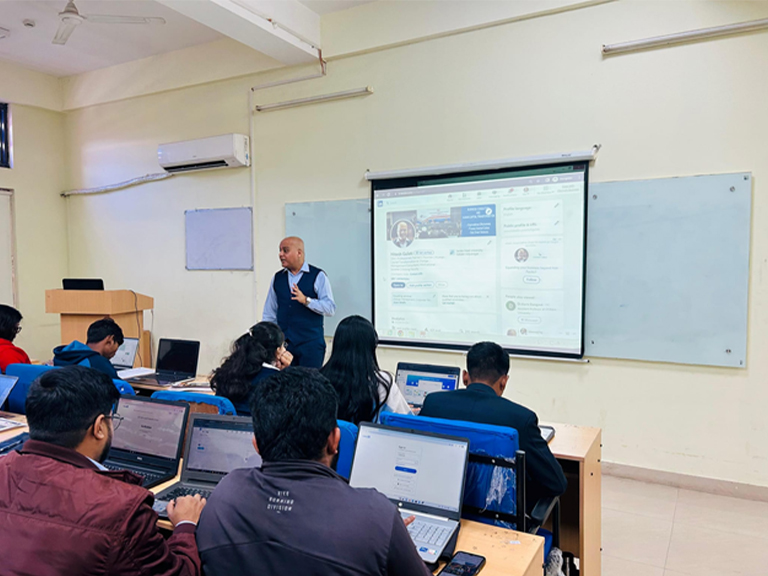
The ICFAI University’s Smart Classroom is a technology-enabled learning environment designed to enhance the teaching-learning process through digital integration. The classroom is equipped with digital displays, tablets, interactive whiteboards, assistive learning devices, and various audio-visual components that make lectures more engaging, interactive, and effective. Technology-driven education is increasingly transforming traditional classrooms and paving the way for smart education.
During the COVID-19 pandemic, Smart Classrooms played a significant role in promoting online education and ensuring accessibility to learners in remote areas of the country. In line with the vision of the National Education Policy (NEP 2020), which emphasizes the establishment of online and virtual learning systems, the University has successfully adopted technology-enabled education practices. These initiatives help students understand theoretical concepts and practical applications in a lucid, interactive, and accessible manner.
Research and Academic Labs

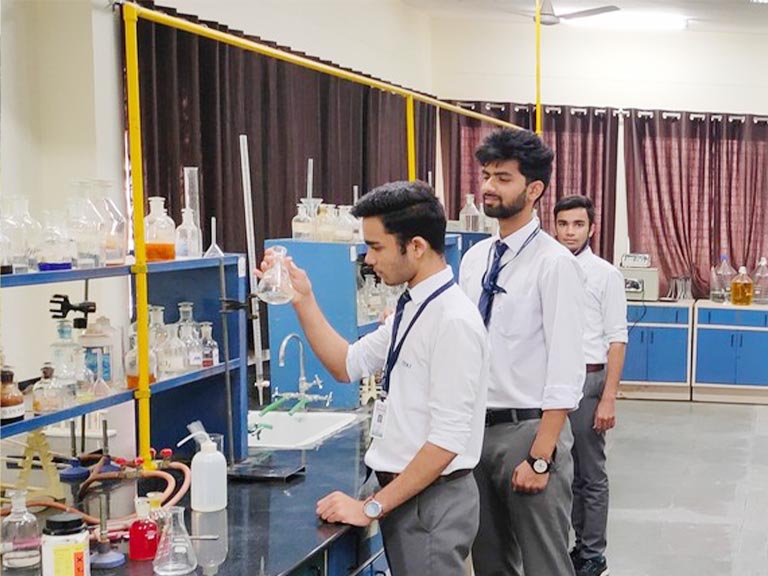
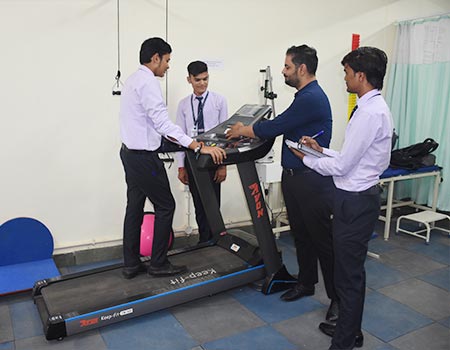
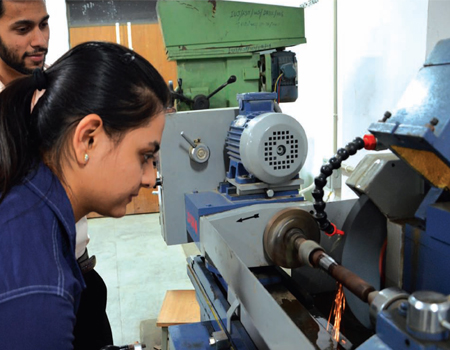
Research and Academic Laboratories at the University provide a dynamic environment for innovation, experimentation, and experiential learning. These laboratories are designed to strengthen both academic understanding and research capabilities by integrating theoretical concepts with practical applications.
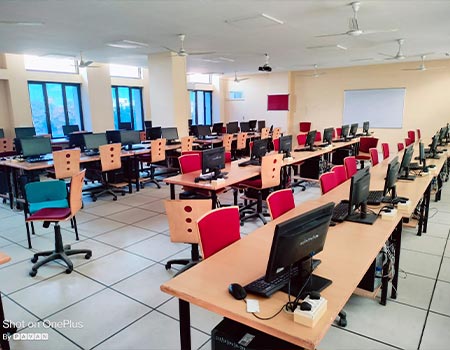
The University has established well-equipped laboratories with modern instruments, advanced technologies, software tools, and audio-visual aids to support teaching, learning, and research activities across various disciplines. These labs enable students, researchers, and faculty members to conduct experiments, undertake research projects, develop technical skills, and engage in collaborative and interdisciplinary learning.
The laboratories promote creativity, analytical thinking, problem-solving abilities, and innovation among learners while supporting quality education and research excellence. The University continuously upgrades its laboratory infrastructure in accordance with emerging technologies, industry requirements, and the vision of the National Education Policy (NEP 2020) to foster a culture of knowledge creation and skill development.
Counselling Cell
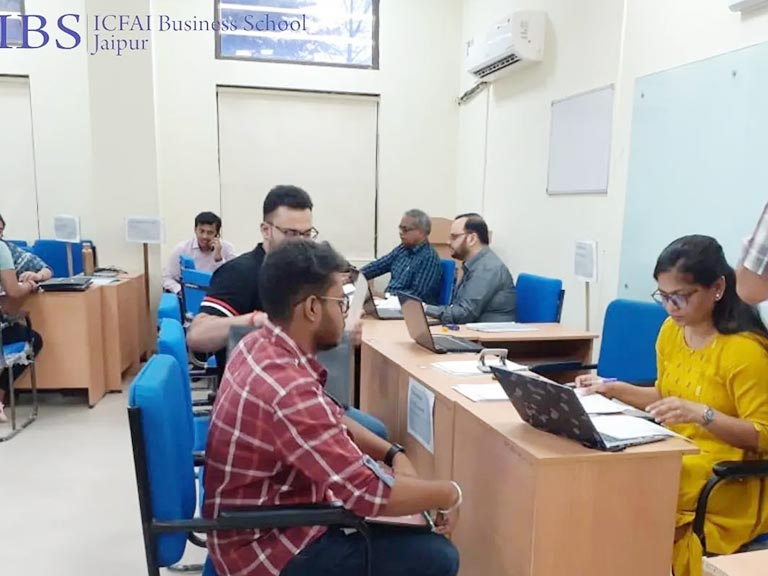
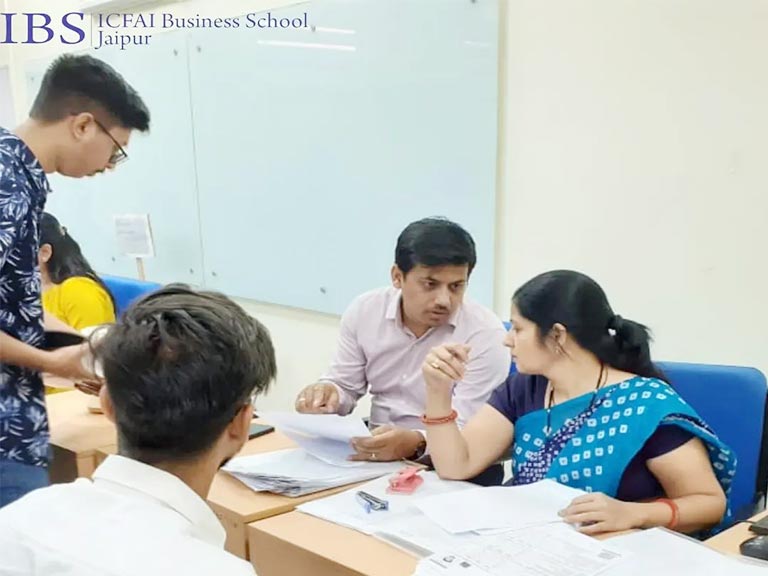
The Counselling Cell of the University is established to provide guidance, emotional support, and psychological assistance to students for their overall well-being and personal development. The Cell aims to create a positive, healthy, and supportive academic environment where students can freely discuss their academic, personal, emotional, and career-related concerns.
The Counselling Cell conducts regular counselling sessions, awareness programmes, workshops, and interactive activities to help students manage stress, improve mental health, build self-confidence, and develop interpersonal skills. The Cell also promotes emotional resilience, positive thinking, and a balanced approach towards academic and personal life.
The University is committed to ensuring the mental and emotional well-being of students by providing a safe, confidential, and student-friendly support system in line with the holistic education approach envisioned under the National Education Policy (NEP 2020).
B. Library Facilities
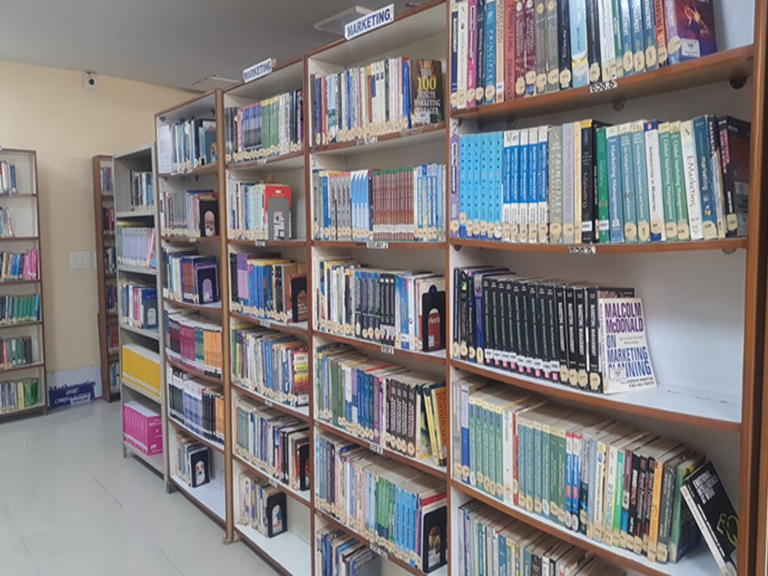
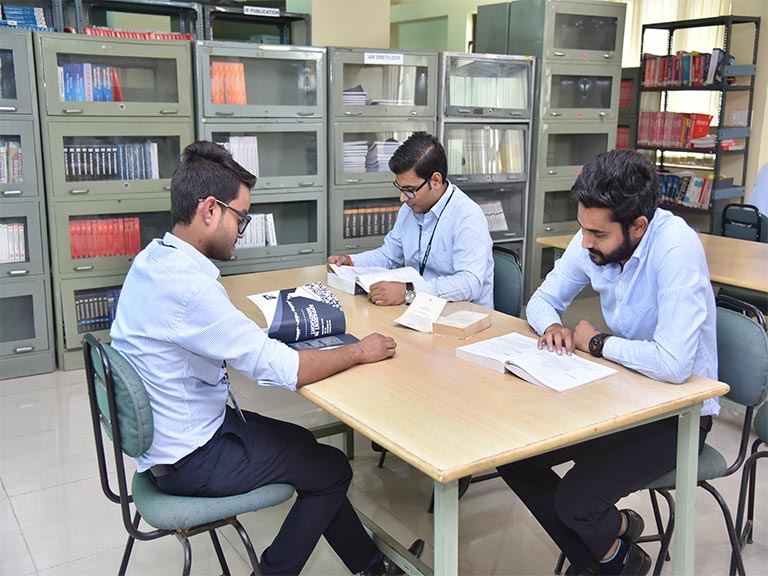
The University has a well-stocked library that serves as a rich knowledge resource centre for students, researchers, and faculty members. Students have access to an excellent collection of contemporary books, journals, periodicals, magazines, and reference materials that supplement the prescribed textbooks and enhance their understanding of Science, Engineering, Management, Commerce, Law, Pharmacy, Liberal Arts, and Information Technology subjects beyond classroom-based learning.
The Library is regularly updated with new books, journals, magazines, and other academic publications to meet the evolving educational and research requirements of the University community. The University is a member of the Association of Indian Universities (AIU) E-Library and is also an Institutional Member of DELNET (Developing Library Network), providing access to a wide range of digital resources, e-journals, and e-books. Students, researchers, and faculty members have access to a wide range of printed and electronic resources that help enhance their academic knowledge, research skills, and intellectual growth. At present, the Information Resource Centre houses more than 21,000 documents and over 150 current periodicals.
Library Collection
S. No. |
Branch |
No. of Titles |
No. of Books |
1 |
Science & Technology |
3,170 |
12,109 |
2 |
Management & Commerce |
2,897 |
7,515 |
3 |
Law |
1,102 |
5,638 |
4 |
Education |
236 |
236 |
5 |
Liberal Arts |
155 |
600 |
6 |
Pharmacy |
181 |
1,807 |
Total |
7,750 |
28,204 |
Journals / Magazines / Daily Newspapers
S. No. |
Branch |
Numbers |
1 |
Management & Commerce |
30 |
2 |
Science, Technology & Engineering |
19 |
3 |
Law |
12 |
4 |
Pharmacy |
10 |
5 |
Liberal Arts |
03 |
6 |
Daily Newspapers |
05 |
Reading Rooms
The Library also provides dedicated reading room facilities to ensure a peaceful and conducive environment for study and research.
Databases & E-Resources
S. No. |
Category |
Name |
1 |
Database |
Manupatra |
2 |
E-Journals & E-Books |
AIU E-Library |
3 |
E-Journals & E-Books |
DELNET |
The University continuously strengthens its library infrastructure and digital learning resources in line with the vision of the National Education Policy (NEP 2020) to promote academic excellence, research, and lifelong learning.
C. Campus Facilities
Seminar Hall
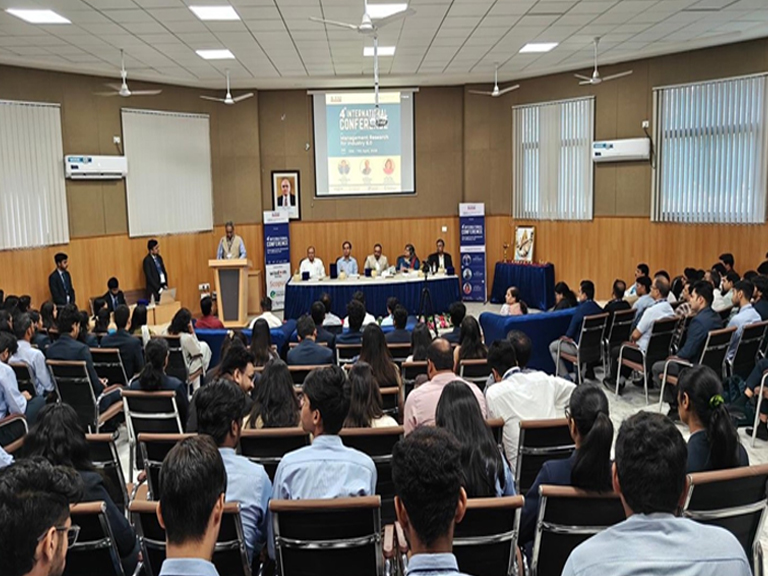
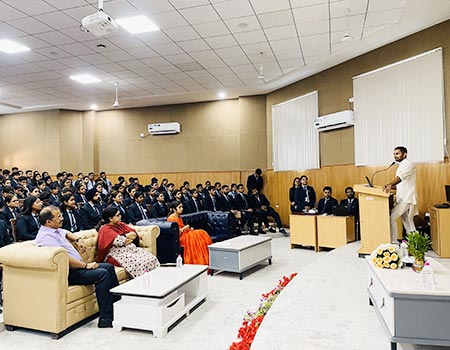
The University has well-designed and fully equipped Seminar Halls that serve as important venues for academic, co-curricular, and professional activities. These halls are designed to facilitate conferences, seminars, workshops, guest lectures, faculty development programmes, and student presentations.
The Seminar Halls are equipped with modern audio-visual systems, multimedia projectors, sound systems, comfortable seating arrangements, and internet connectivity to ensure effective communication and interactive learning experiences. The infrastructure supports both offline and hybrid modes of events, enabling wider participation and knowledge sharing.
These spaces provide an ideal platform for students, faculty members, and external experts to exchange ideas, discuss emerging trends, and enhance academic and professional competencies. The University regularly organizes academic events and expert sessions in these halls to promote innovation, research culture, and holistic learning in alignment with the vision of the National Education Policy (NEP 2020)
Board Room & Conference Room
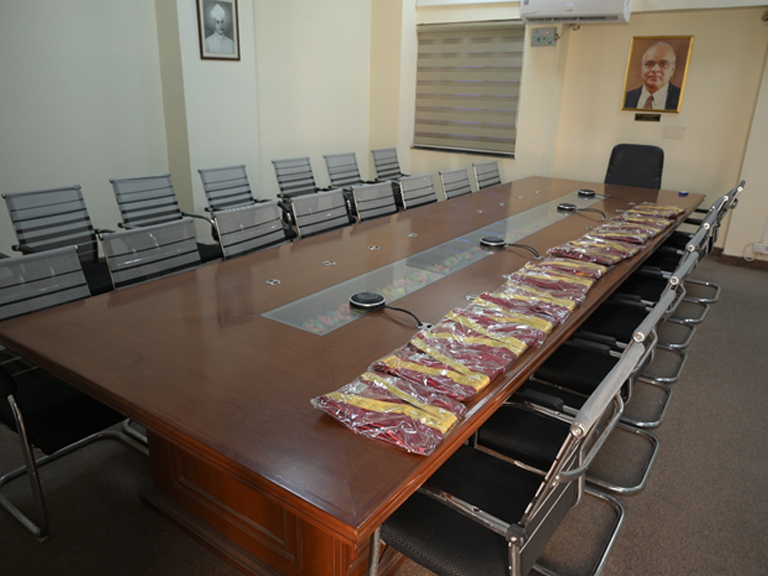
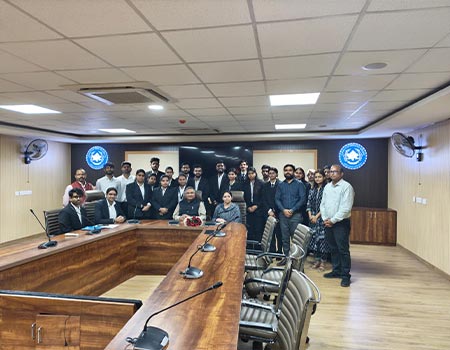
The University has well-furnished Board Rooms and Conference Rooms that are designed to facilitate high-level academic, administrative, and professional discussions. These spaces provide a formal and focused environment for meetings, strategic planning sessions, presentations, and decision-making processes.
The Board Room is equipped with modern facilities such as audio-visual systems, video conferencing tools, high-speed internet connectivity, and presentation equipment to support effective communication and collaboration. It is primarily used for administrative meetings, policy discussions, and interactions with dignitaries and external stakeholders.
The Conference Rooms are similarly equipped and are used for faculty meetings, academic deliberations, workshops, and interactive sessions. These rooms support both in-person and virtual participation, enabling seamless connectivity and knowledge exchange. Together, these facilities contribute to efficient institutional governance, academic coordination, and professional engagement, in line with the vision of the National Education Policy (NEP 2020).
Security

The University maintains a robust and well-organized security system to ensure a safe and secure environment for students, faculty members, staff, and visitors. Round-the-clock security personnel are deployed across the campus to monitor entry and exit points, academic buildings, hostels, and other key areas.
The campus is supported by surveillance systems, including CCTV cameras installed at strategic locations to ensure continuous monitoring and quick response to any security concerns. Trained security staff regulate access control and ensure compliance with campus safety protocols.
The University places strong emphasis on the safety and well-being of its stakeholders by maintaining discipline, preventing unauthorized access, and responding promptly to emergencies. Regular coordination with administrative authorities further strengthens the overall security framework, ensuring a safe academic environment conducive to learning and growth in alignment with the vision of the National Education Policy (NEP 2020).
Banking Facility

The University provides convenient banking facilities on or near the campus to support the financial needs of students, faculty members, and staff. These facilities ensure easy access to essential banking services such as deposits, withdrawals, account management, and digital banking support.
The presence of banking services within proximity of the campus helps in smooth financial transactions, fee payments, scholarships processing, and other academic-related financial requirements. Students also benefit from modern banking solutions including ATM services, online banking, and mobile banking facilities.
The University ensures that adequate financial infrastructure is available to promote ease of access and efficiency in day-to-day transactions, thereby contributing to a well-supported academic environment in line with the vision of the National Education Policy (NEP 2020).
Transport Facilities
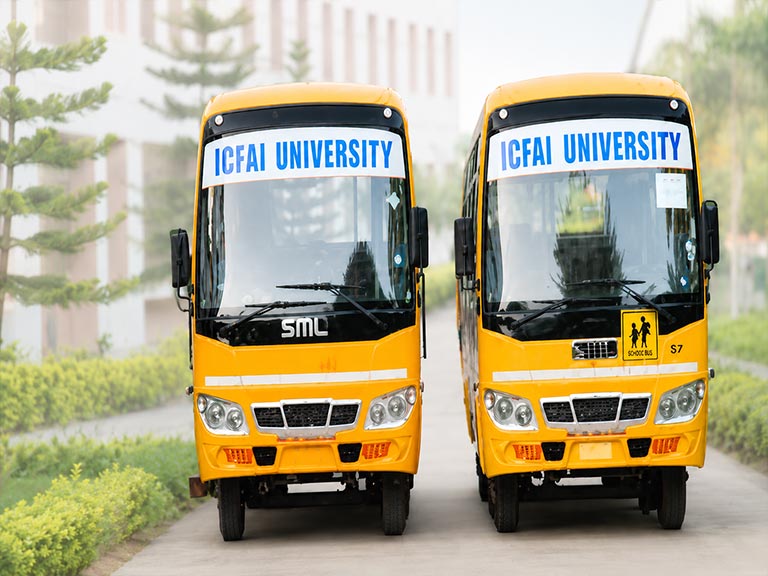
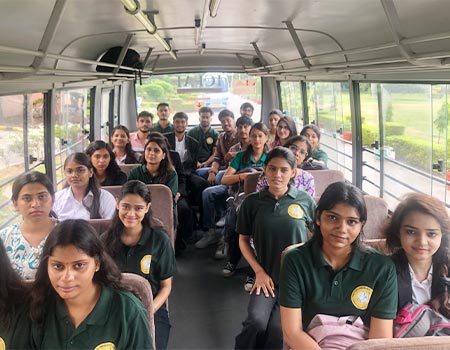
The University provides well-organized transport facilities to ensure safe, reliable, and convenient commuting for students, faculty members, and staff. A fleet of buses operates on various routes covering nearby towns and surrounding areas, facilitating easy access to the campus.
The transport system is designed to maintain punctuality, safety, and comfort, with experienced drivers and support staff ensuring smooth daily operations. The routes and schedules are planned to accommodate academic timings and minimize travel difficulties for commuters.
The University continuously reviews and upgrades its transport services to enhance efficiency and accessibility, thereby supporting a hassle-free academic experience and contributing to overall student convenience in alignment with the vision of the National Education Policy (NEP 2020).
Hostel Facilities
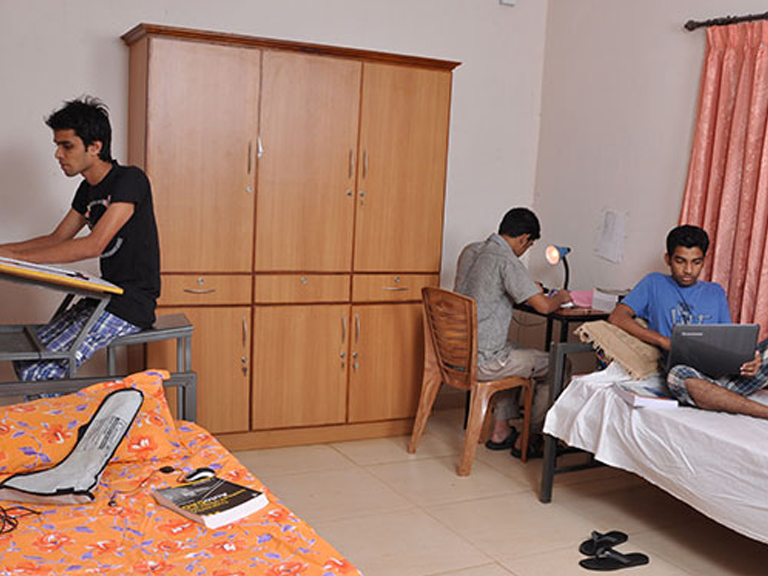
Living Quarters:
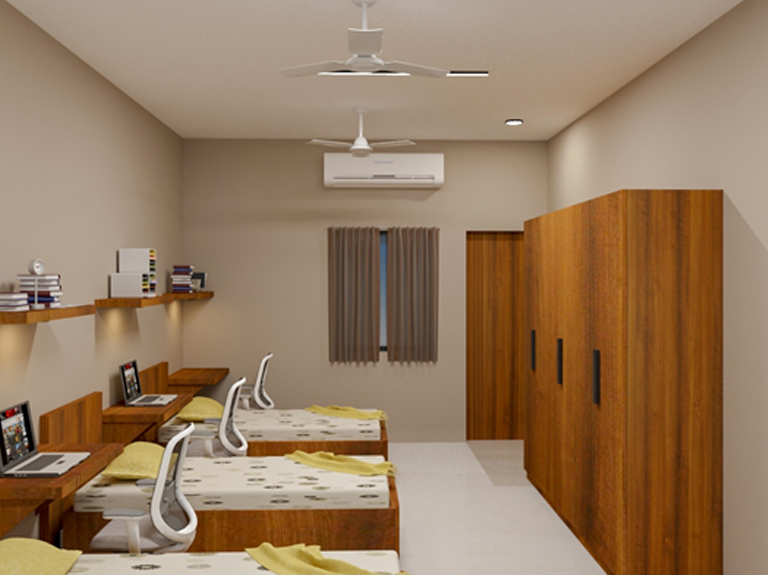
Hostel rooms are shared accommodations equipped with essential furniture such as beds, study desks, chairs, wardrobes, and storage units. Students also have access to shared kitchen or pantry facilities equipped with cooking appliances such as stoves, microwaves, and refrigerators, enabling them to prepare their own meals when needed.
Common Areas:
The hostels include well-maintained common spaces such as lounges, TV rooms, and outdoor areas where students can relax, interact, and engage in recreational activities, fostering a sense of community living.
Study Rooms:
Dedicated quiet study areas are provided within the hostel premises, furnished with tables and chairs to support focused academic work and self-study.
Wi-Fi Access:
High-speed internet connectivity is available in hostel rooms and common areas to support academic research, online learning, and communication.
Security:
The hostel premises are secured through trained security personnel, CCTV surveillance systems, and controlled entry/exit points to ensure the safety of residents at all times.
Cleaning Services:
Regular housekeeping and cleaning services are provided to maintain hygiene and cleanliness in rooms, bathrooms, and common areas.
Cafeteria / Dining Hall:
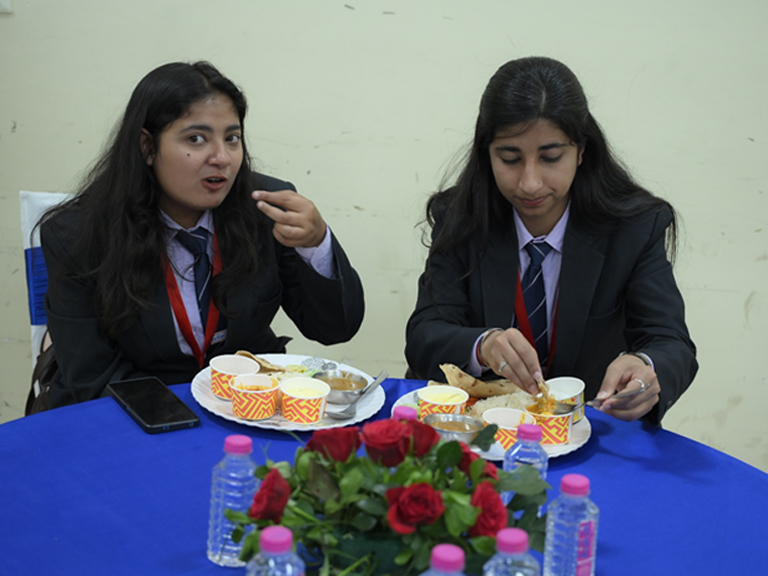
On-campus dining facilities are available, offering nutritious meals, snacks, and refreshments to meet the daily dietary needs of students.
Utilities:
Continuous access to essential utilities such as electricity, water supply, and appropriate heating or cooling systems ensures comfortable living conditions.
Safety Measures:
The hostels are equipped with fire safety equipment, emergency exits, and clearly defined safety protocols to handle any emergencies effectively.
Social and Cultural Activities:
The University also encourages social interaction and personality development by organizing cultural events, workshops, and student engagement activities within the hostel community.
These facilities collectively create a secure, inclusive, and supportive residential environment that aligns with the holistic development approach envisioned under the National Education Policy (NEP 2020).
Sports Facilities

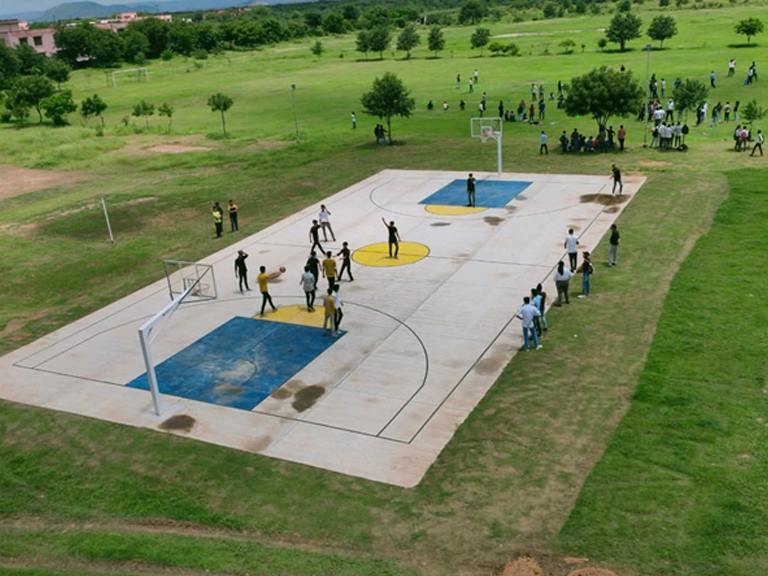
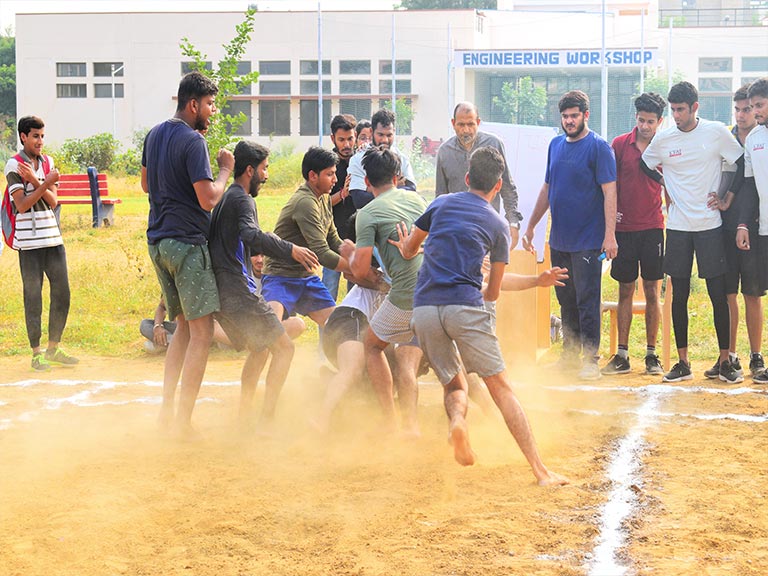
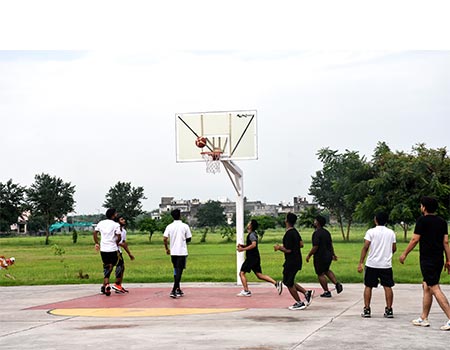
The University provides well-developed sports facilities and dedicated playing arenas to promote physical fitness, teamwork, and overall personality development among students. The campus is equipped with suitable grounds and courts that support a variety of indoor and outdoor sports activities.
The playing arenas are designed for games such as cricket, football, volleyball, basketball, badminton, and athletics, encouraging students to actively participate in competitive and recreational sports. These facilities help in nurturing discipline, leadership qualities, and a spirit of healthy competition.
In addition to outdoor grounds, the University also provides space and infrastructure for indoor games, ensuring year-round sports engagement regardless of weather conditions.
Qualified sports coordinators and trainers guide students in improving their skills and preparing for inter-college and university-level competitions.
The University regularly organizes sports events, tournaments, and fitness activities to encourage participation and foster a vibrant campus life, in alignment with the holistic development vision of the National Education Policy (NEP 2020).
Gym
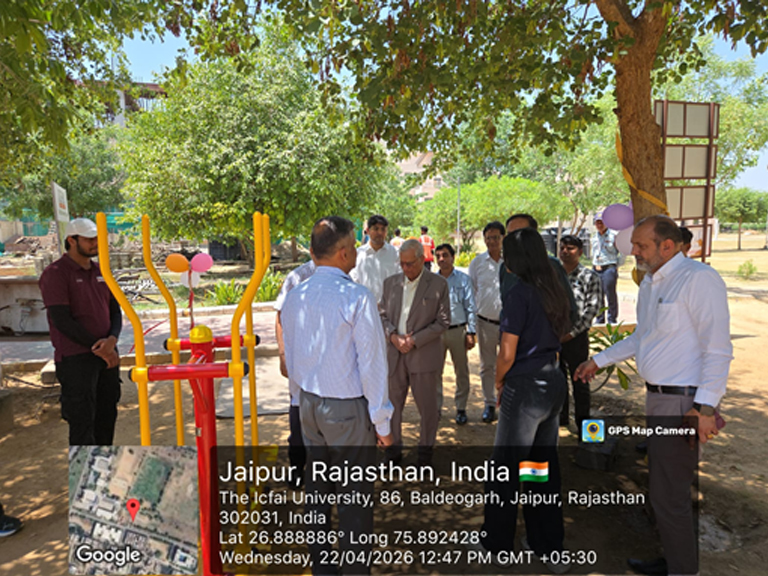
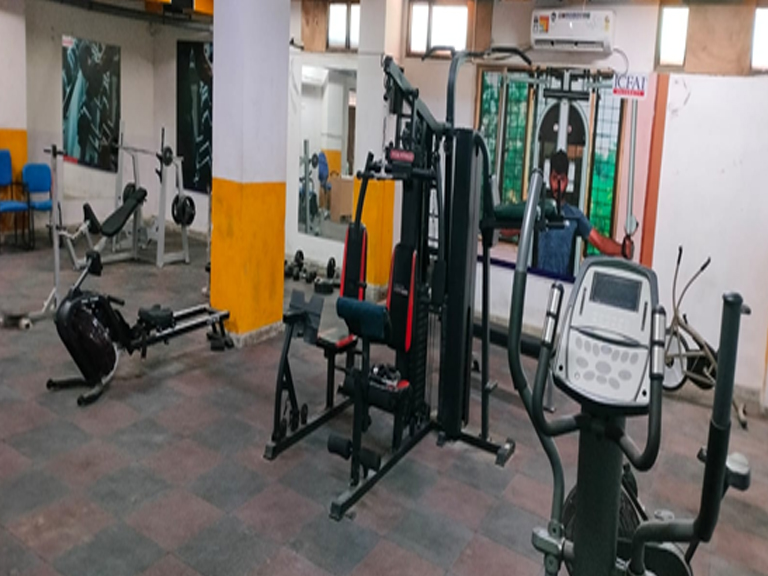
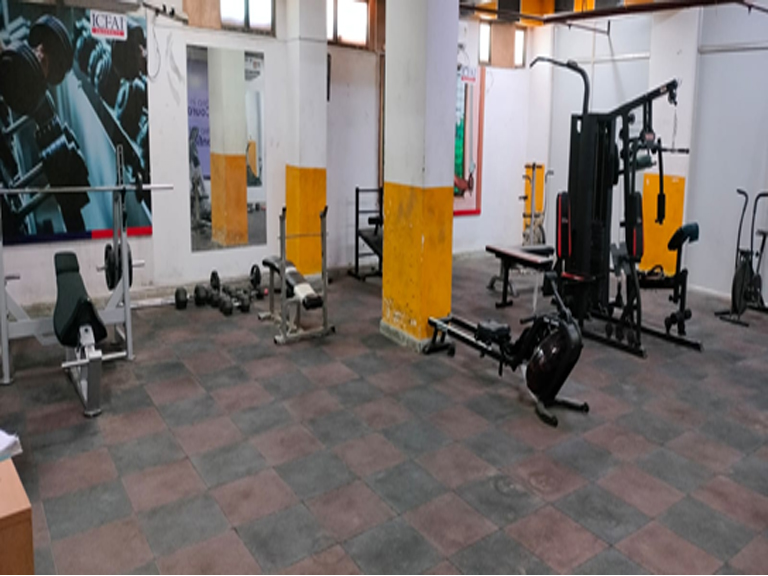
The University provides both an indoor gymnasium and an open gym facility to promote physical fitness, health, and overall well-being among students, faculty members, and staff.
The indoor gymnasium is equipped with modern exercise machines and fitness equipment that support strength training, cardio workouts, and flexibility exercises. It provides a structured environment for regular fitness training under safe and supervised conditions.
The open gym facility is developed in an outdoor setting and is equipped with basic fitness equipment that allows users to exercise in a natural and refreshing environment. It is especially useful for early morning and evening workouts and encourages group fitness activities.
Both facilities are designed to encourage a healthy and active lifestyle, helping students balance academic stress with physical well-being. Proper safety measures and usage guidelines are maintained to ensure secure and effective use of the equipment.
The University continues to promote fitness and wellness initiatives as part of holistic student development in alignment with the vision of the National Education Policy (NEP 2020).
Health Facilities
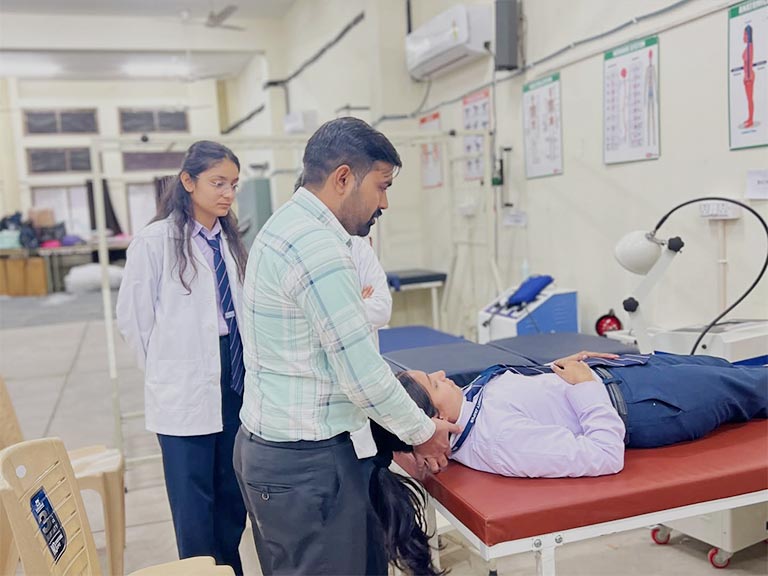
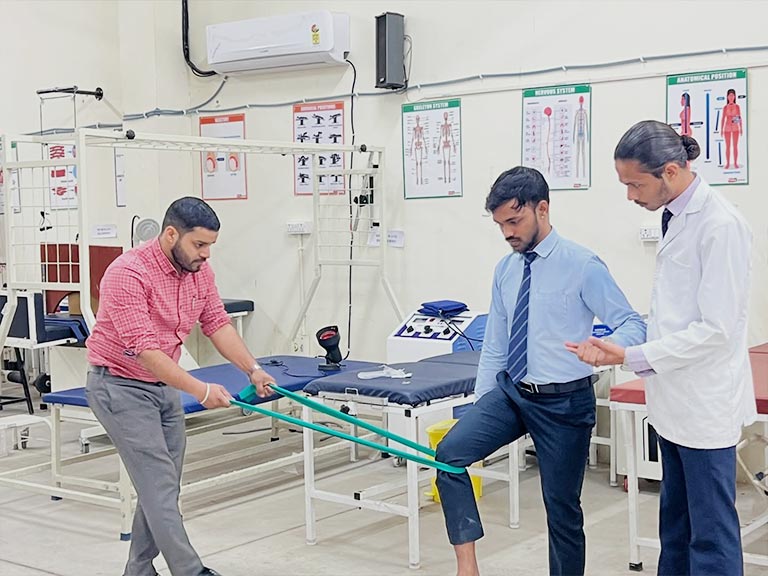
The University provides comprehensive health facilities to ensure the well-being, safety, and medical support of students, faculty members, and staff. A well-equipped Health Centre is available on campus to address day-to-day health concerns and provide immediate medical assistance when required.
The Health Centre is supported by essential medical infrastructure, including a medical room with beds, first-aid facilities, a wheelchair, and basic diagnostic tools such as a blood pressure monitoring machine. A qualified nurse is available on campus to attend to minor health issues and provide timely care and support.
The University places strong emphasis on health, hygiene, and preventive care. Clean and well-maintained washroom facilities are available across the campus, along with sanitary napkin vending machines to support hygiene needs.
In case of medical emergencies, students are promptly referred to nearby hospitals or medical centres, or a doctor is called immediately to ensure timely treatment. The University is committed to maintaining a safe and supportive environment that prioritizes physical and mental well-being in line with holistic development principles.
Equal Opportunity cell is under process.
Socio-Economically Disadvantaged Groups Cell (SEDG)
The Socio-Economically Disadvantaged Groups (SEDG) Cell of the University is established to support and promote the welfare of students belonging to socially and economically weaker sections. The Cell works to ensure equity, inclusiveness, and equal opportunity in access to higher education.
The SEDG Cell focuses on identifying the academic, financial, and social challenges faced by students from disadvantaged backgrounds and provides necessary guidance, support, and assistance. It facilitates awareness about scholarships, government schemes, financial aid, and other institutional support mechanisms available for eligible students.
The Cell also works to create an inclusive campus environment by organizing awareness programmes, mentoring sessions, and support initiatives that encourage academic success and personal development. It plays a key role in preventing discrimination and ensuring that all students receive fair opportunities to excel in their studies.
The University is committed to promoting social justice, inclusivity, and equal access to education in alignment with the vision of the National Education Policy (NEP 2020). (To be created a cell)
Facilities for Differently Abled
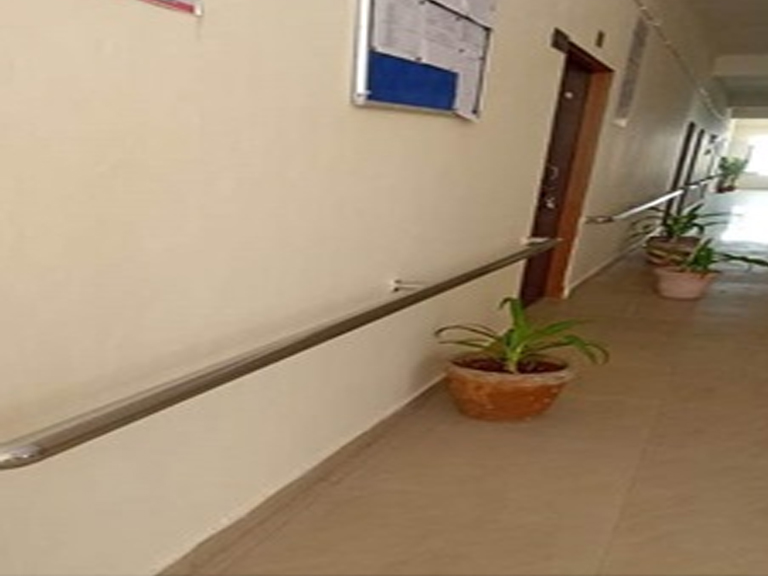
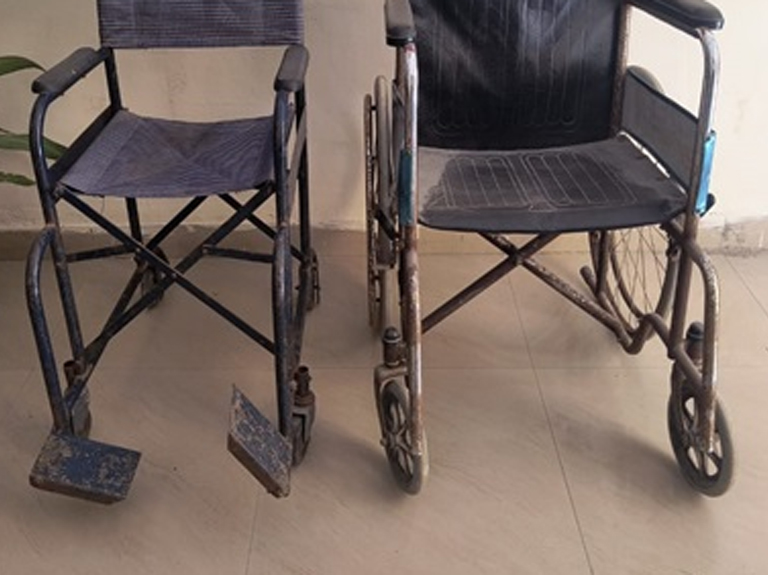
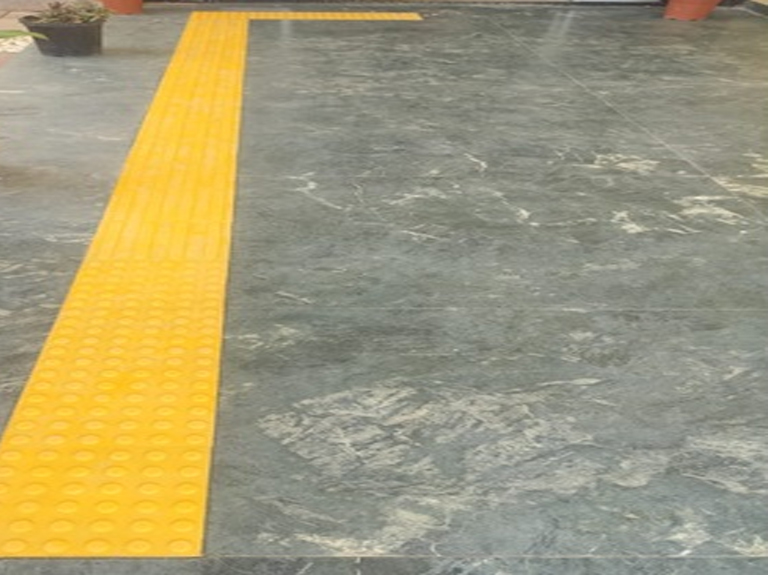
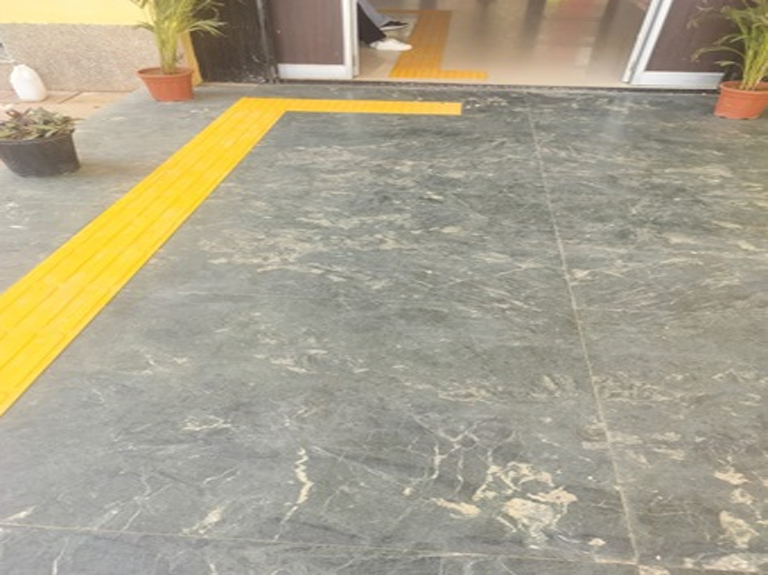
The University is committed to creating an inclusive and accessible campus environment by providing appropriate facilities for differently abled students, faculty members, and visitors. These facilities are designed to ensure equal access to academic, administrative, and co-curricular spaces.
The campus is equipped with barrier-free infrastructure such as ramps, accessible pathways, and designated entry points to facilitate easy movement for individuals with mobility challenges. Special arrangements are made in key academic and administrative buildings to support accessibility and convenience.
The University also provides assistive support such as wheelchair access, preferential seating in classrooms and examination halls, and assistance as required to ensure smooth participation in academic activities. Efforts are made to incorporate inclusive practices that promote dignity, independence, and equal opportunity.
The institution remains committed to fostering an inclusive learning environment in line with the principles of the National Education Policy (NEP 2020), ensuring that differently abled individuals can fully participate in all aspects of university life.
Refund Policy
The University follows the refund policy as prescribed by the University Grants Commission (UGC) for Higher Educational Institutions. The policy ensures fairness and transparency in the refund of fees in case of student withdrawal from programmes.